A harvest dinner in the rows
At the end of the Napa Valley crush, the work changes hands: one long table is set between the rows, the picking crew sits down as guests of honour, and the vintage just brought in is poured first.
Experiences · Published November 2026 · Updated November 2026
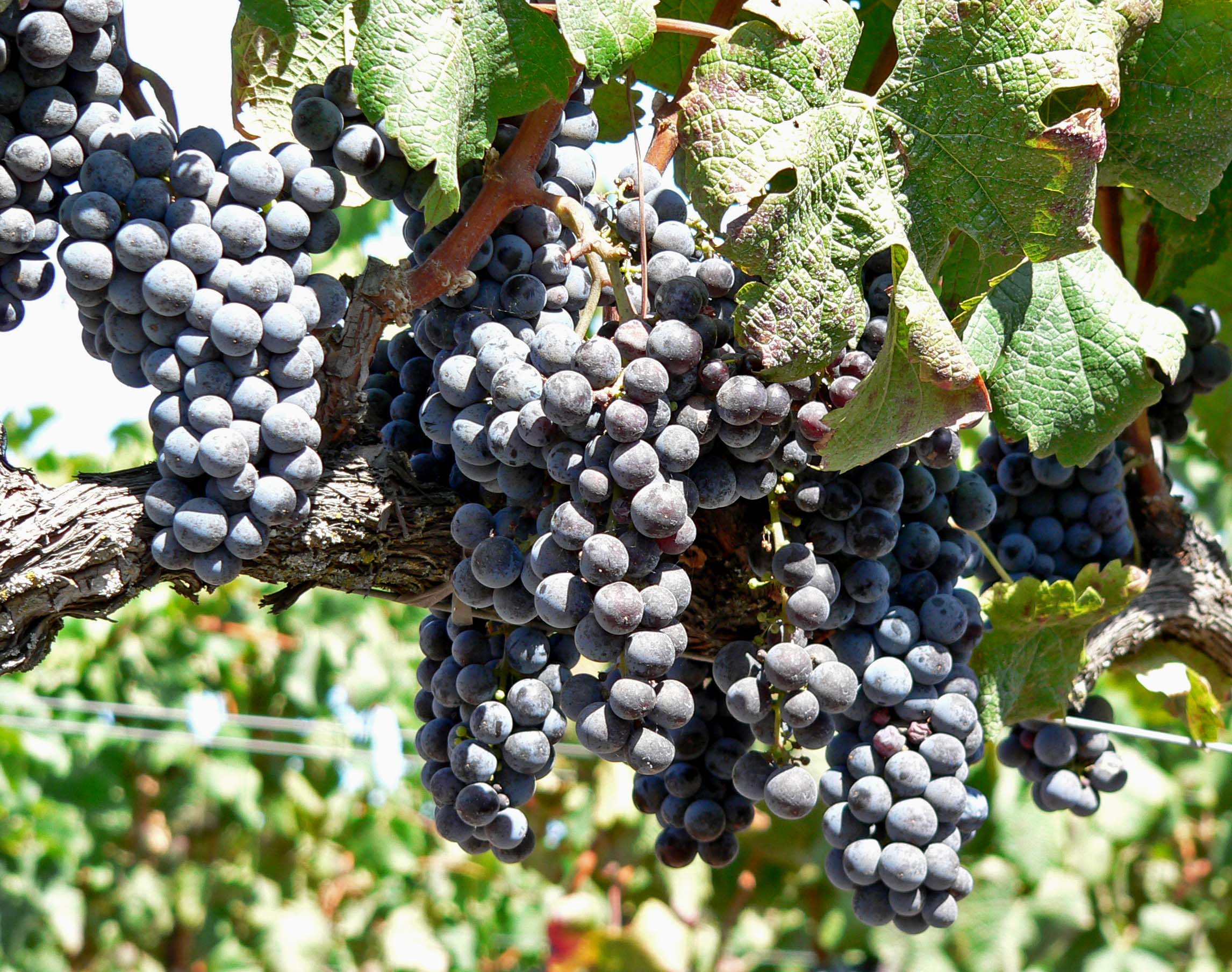
Photograph: Stan Shebs, via Wikimedia Commons
Harvest in Napa Valley, known locally as the crush, runs from late summer through fall, and for those weeks the valley is a working farm region at full tilt. Sparkling and white varieties are picked first, red varieties follow, and Cabernet Sauvignon is among the last to come in. Much of the fruit is picked in the dark, when the grapes are coldest, and arrives at the crush pad in bins and trailers. It is sorted, pressed and moved into fermentation within hours, and the air carries the smell of fresh juice and early ferment.
The scale makes the season feel larger than it is. The valley floor is just 30 miles long and five miles across at its widest point, yet within the Napa Valley AVA, designated in 1981 as California's first, there are 17 nested AVAs, each with its own microclimate and terrain. Cabernet Sauvignon is the principal variety across much of the valley, with Chardonnay, Merlot, Sauvignon Blanc and Pinot Noir among the other principal varieties. Because so much grows in so small a place, harvest is not a single day but a rolling season, one block and one variety at a time.
Against that working background, the valley sets its tables. Visit Napa Valley, the destination organisation, notes that the valley is especially lively during harvest, with harvest dinners, parties and seasonal experiences running through August, September and October. The most fitting of them is the dinner in the rows itself: a single long table laid between the vines that produced the crop, close to the ground the season was worked on.
The seating is the point. Through the crush, the picking crew works in the cool hours before dawn, and the harvest dinner returns that labour to the centre of the occasion. The crew who brought the crop in are not serving the table; they are seated at it, as guests of honour, with the growers and winemakers alongside them. It is a generous arrangement, and a correct one. A vintage is, before anything else, the record of their mornings.
Then comes the first pouring. Before the older bottles and the cellar's reserves, the new vintage is poured first, so that the first glass of the evening belongs to the harvest just finished. The order matters to the valley: the youngest wine takes precedence over the most venerable, because it is the one everyone at the table had a hand in making. Everything after it is celebration; that first glass is thanks.
When the dinner ends, the work is not quite done. The fermenters are full, the rows stand picked, and the valley moves from the vineyard to the cellar. For visitors, August through October is peak season, and winery appointments and restaurant tables fill quickly, so a harvest trip is best planned early and held loosely, because the crush does not run on a visitor schedule. The dinner in the rows runs on the valley's schedule instead, and that is its distinction.
The harvest
The crush runs from late summer through fall. Sparkling and white varieties come in first, red varieties follow, and Cabernet Sauvignon is among the last.
Fruit is often picked in the dark, at its coldest, then sorted, pressed and moved into fermentation within hours.
The table
One long table, set between the rows the crop grew in. Harvest dinners run through the season, in August, September and October.
The picking crew sits as guests of honour, the people who worked the season given the first seats at its table.
The first pouring
The new vintage is poured first, before older bottles are opened. The youngest wine at the table is the one the whole crew had a hand in.
It is the valley's way of closing the vintage: the crop thanked, the crew seated, the first glass raised to both.
A note on the spirit of it. The harvest dinner is not a performance of the season but its settlement. The valley spends the crush at full tilt, in the dark and at pace, and then, once, it sits down in the middle of the work and eats. Few traditions explain a place as plainly as that.
Continue in Experiences
Heli-skiing above Livigno, the Stelvio at dawn, and harvest week in Saint-Émilion.
Browse Experiences